

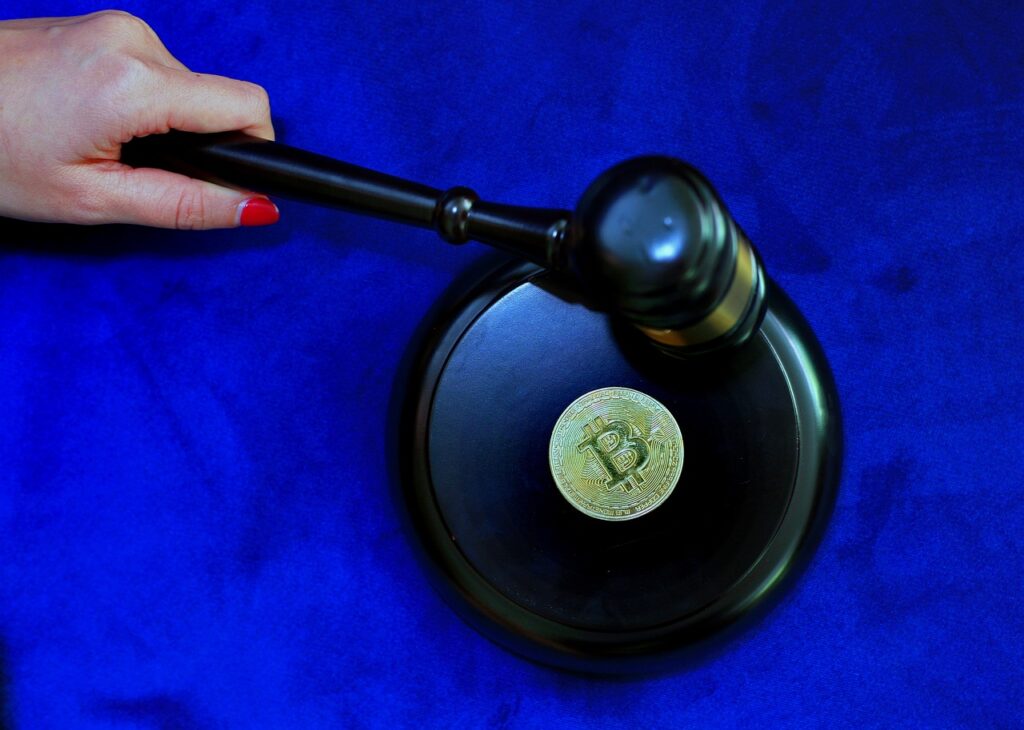
By vetoing a landmark bill that would have allowed Arizona to allocate up to 10% of its state funds into Bitcoin, Governor Katie Hobbs has not only halted legislative momentum but also sent a broader signal about the ongoing political polarization surrounding digital assets in the United States.
The Rise of Bitcoin as a Strategic Reserve Asset
Across the U.S., a growing number of states are exploring legislation to build state-level Bitcoin reserves. The rationale is simple: in a world of rising inflation, geopolitical risk, and fiat currency debasement, Bitcoin offers a decentralized, incorruptible, and scarce asset that many believe will serve as a store of value for decades to come. Unlike speculative altcoins or short-lived crypto projects, Bitcoin has withstood multiple boom-and-bust cycles and has become a serious contender in institutional finance.
Even at the federal level, discussions are underway about establishing a national Bitcoin reserve. President Donald Trump has floated the idea via executive order, but such directives are fragile by design, subject to reversal under any future administration. That’s why state-led legislation is seen as a more durable and democratic approach to long-term crypto policy.
Arizona’s Bold Step — and Sudden Setback
Arizona had become the most advanced among U.S. states in this movement. A bill proposing that the state could invest up to 10% of its reserve funds into Bitcoin passed both the state’s House of Representatives and Senate with majority support. The only remaining step was approval from the governor’s office.
But on May 2, Democratic Governor Katie Hobbs vetoed the proposal, arguing that the Arizona State Retirement System (ASRS) should focus on “stable” investments and that Bitcoin remains too volatile and untested to justify such a move. From a surface-level fiduciary standpoint, that concern might seem valid, but it also reveals a deep misunderstanding of Bitcoin’s evolving role in the global financial system.
A Politicized Decision, Not a Rational One
Let’s be clear: this veto was not just about portfolio stability. It was a political decision, influenced by growing partisan divisions over cryptocurrency.
Governor Hobbs and her Democratic allies are increasingly skeptical of anything tied to Donald Trump, who has publicly embraced crypto, albeit in controversial ways. His recent launch of a TRUMP memecoin (which he uses to reward top holders with exclusive access and even private dinners) has raised ethical questions and fueled concerns that he’s using cryptocurrency for personal enrichment.
These optics make it easy for Democrats to dismiss all things crypto as part of a reckless or corrupt agenda. And unfortunately, Bitcoin—despite being a politically neutral, decentralized protocol—is now being lumped in with speculative altcoins and meme tokens in the public discourse.
This conflation is dangerous. While criticism of Trump’s memecoin antics is fair and warranted, it should not cloud judgment about Bitcoin’s unique status as the only truly decentralized digital monetary asset with global adoption, regulatory momentum, and increasing institutional legitimacy.
The Bigger Picture: States Compete, and Arizona Falls Behind
Other states are now moving ahead. New Hampshire, North Carolina, and Texas are actively progressing similar Bitcoin reserve bills, and each could become the first U.S. state to hold Bitcoin on its balance sheet. Interested observers can track legislative progress at bitcoinlaws.io/reserve-race.
As Bitcoin matures, the race is on for jurisdictions to align with financial innovation and future-proof their reserves. While no one is suggesting states go all-in on Bitcoin, a prudent 5–10% allocation in a diversified long-term reserve strategy is increasingly seen as a hedge—not a gamble.
By vetoing this bill, Arizona has likely missed a historic opportunity to lead. Worse, it has allowed short-term political optics to override long-term strategic thinking.
Final Thoughts
Bitcoin is not a partisan issue. It is a financial technology that offers benefits and risks—just like any other innovation. But to dismiss it outright because of its association with a polarizing political figure is short-sighted and counterproductive.
Governments, whether state or federal, must develop clear, consistent, and informed policies around Bitcoin. Doing so will require separating serious innovation from spectacle—and that starts with understanding what Bitcoin truly represents.
Arizona had a chance to lead the way. Instead, it blinked. And the rest of the country is watching.

